01
A page with a job
Every page needs a role: attract educational demand, support a commercial decision, explain a service or help a user. Without a job, an article becomes long text that serves neither readers nor revenue.
Content SEO is not placing a keyword in a title and waiting. It is building a page that matches intent, explains the subject clearly, demonstrates experience and guides a reader toward a logical next action.
A Content SEO service starts with strategy and keyword mapping, then turns each topic into a clear brief and useful article or page. We review structure, early answers, examples, internal links, FAQs and reading experience, then identify what should be refreshed after evidence appears.
Every page needs a role: attract educational demand, support a commercial decision, explain a service or help a user. Without a job, an article becomes long text that serves neither readers nor revenue.
We answer the question early, then add context, steps, trade-offs, mistakes and measurement. This helps readers who want a quick answer and readers who need a complete decision.
We vary rhythm, examples and transitions, removing empty introductions and repeated conclusions. The page should sound like a clear explanation from someone who understands the problem.
We link to a service, product or next guide when useful and make the next step understandable. We do not interrupt an informational answer with unrelated sales copy.
Real questions are extracted and answered clearly on the page. Structured data can help when it applies, but useful visible answers matter more than adding markup for its own sake.
We review queries and pages shown in Search Console, improving sections, titles and links when the data suggests a gap. A refresh adds value; it is not just changing the date.
We define what the searcher wants to accomplish, the right page type, and the topic’s role in the customer journey and internal cluster.
We define the promise, questions, sections, examples, evidence, links, CTA and non-duplication rules before writing starts.
We produce a clear, natural draft and review its sequence, terminology, usefulness and audience fit. The Arabic version is not a literal translation of English.
We review title, description, schema, links and reading experience, then monitor and update pages based on evidence rather than guesswork.
It fits service companies, B2B, SaaS and e-commerce brands with good expertise or offers that are not clearly explained, content without a map, or a need to expand in Arabic and English without lowering quality.
We explain why a topic or query was selected, which page should own it and what implementation needs to happen. More URLs are not confused with a useful site asset.
These snapshots and examples show how the work is reasoned about. Some snapshots belong to different properties and periods, so no number is attributed to Keyword Research or Content SEO alone or used as a universal promise.
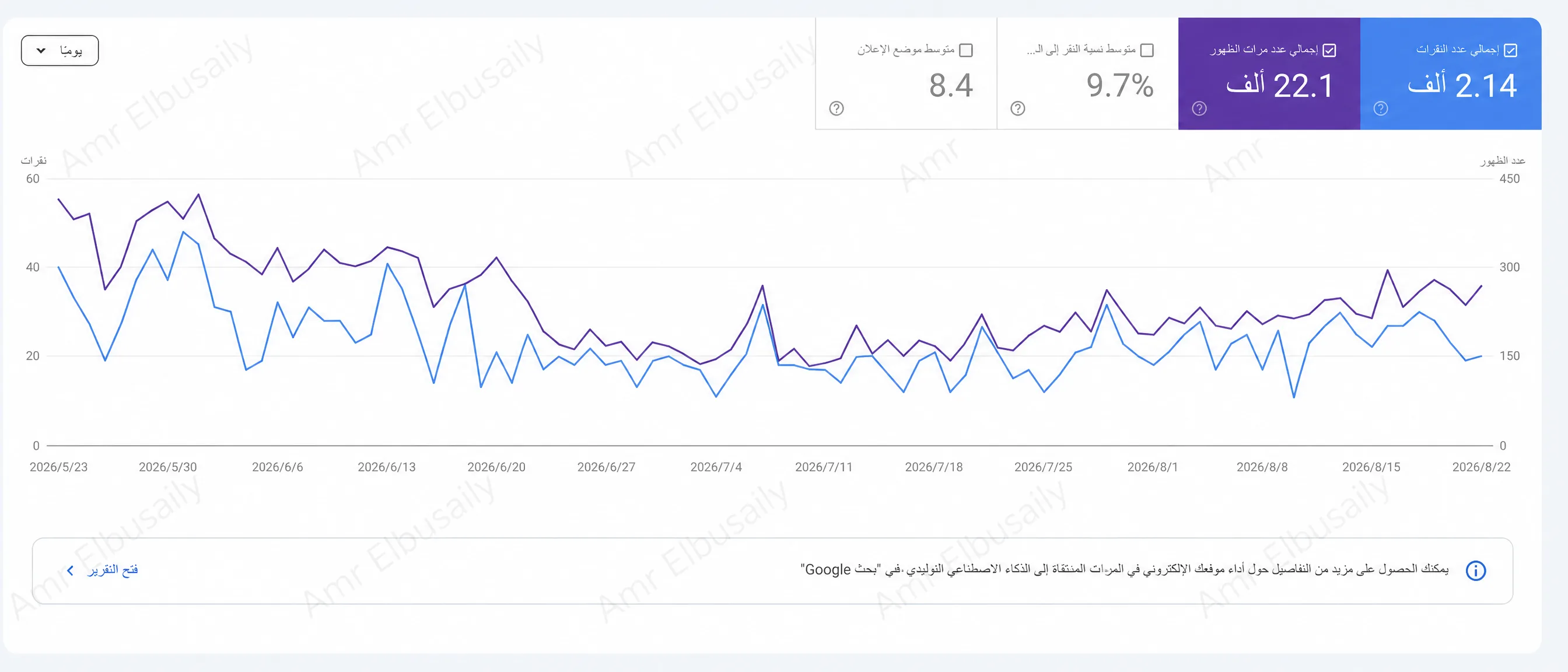
A Search Console snapshot supplied among results from different properties shows 22.1K impressions, 2.14K clicks, 9.7% CTR and an 8.4 average position.
How it works: The practical cycle is to review the title, opening answer, sections, FAQs and internal links when queries reveal a gap between what people ask and what the page says.
Takeaway: We do not attribute the snapshot to writing alone; we use it to explain the cycle of publish, measure, understand and improve.
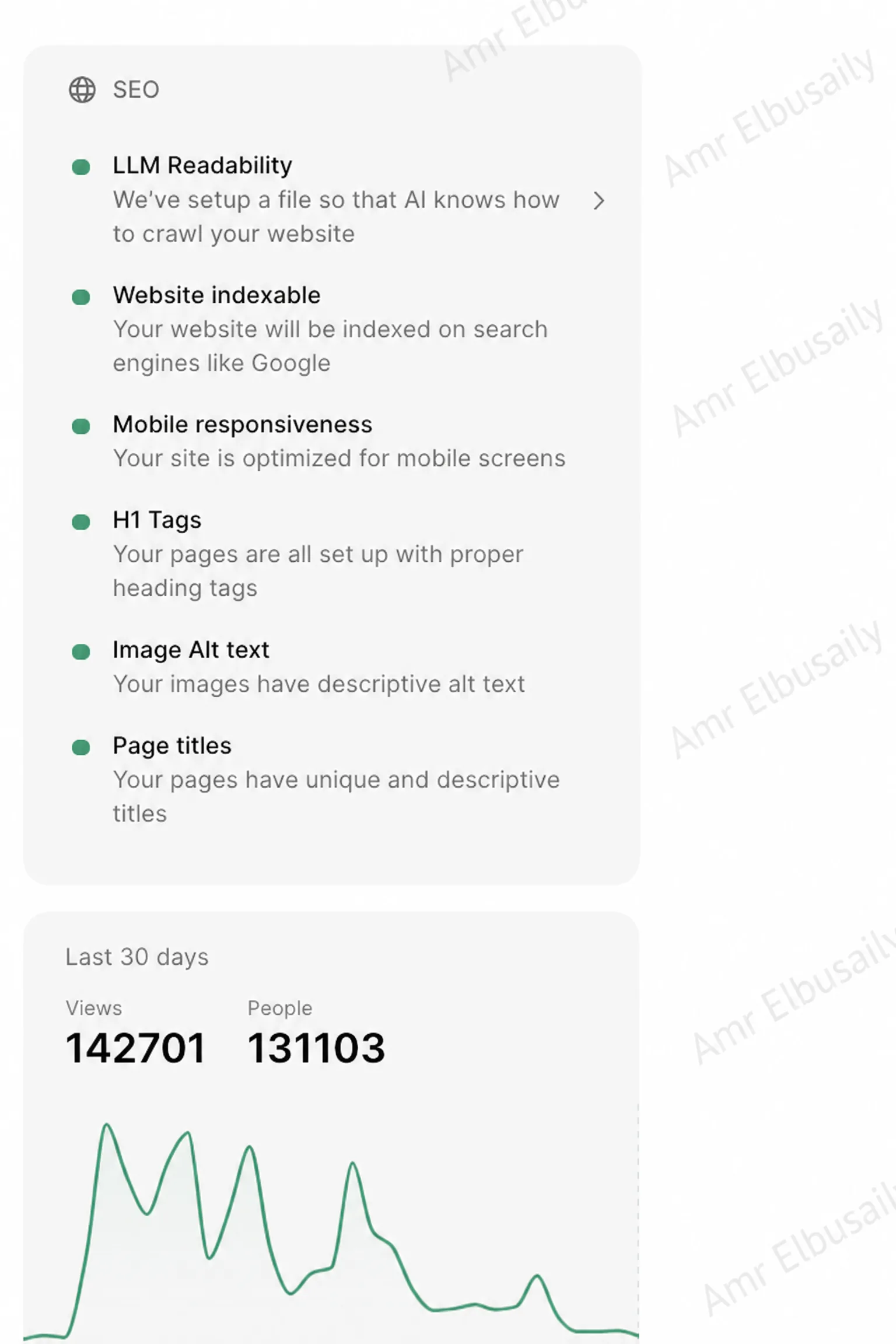
A practical example turns a broad topic into an article serving one stage of the customer journey and supporting a relevant service or product page.
How it works: The brief defines intent, the direct answer, examples, limits, FAQs and the links that help a reader take the next step.
Takeaway: The best article is not always the longest; it answers clearly, adds value and knows where the reader should go next.
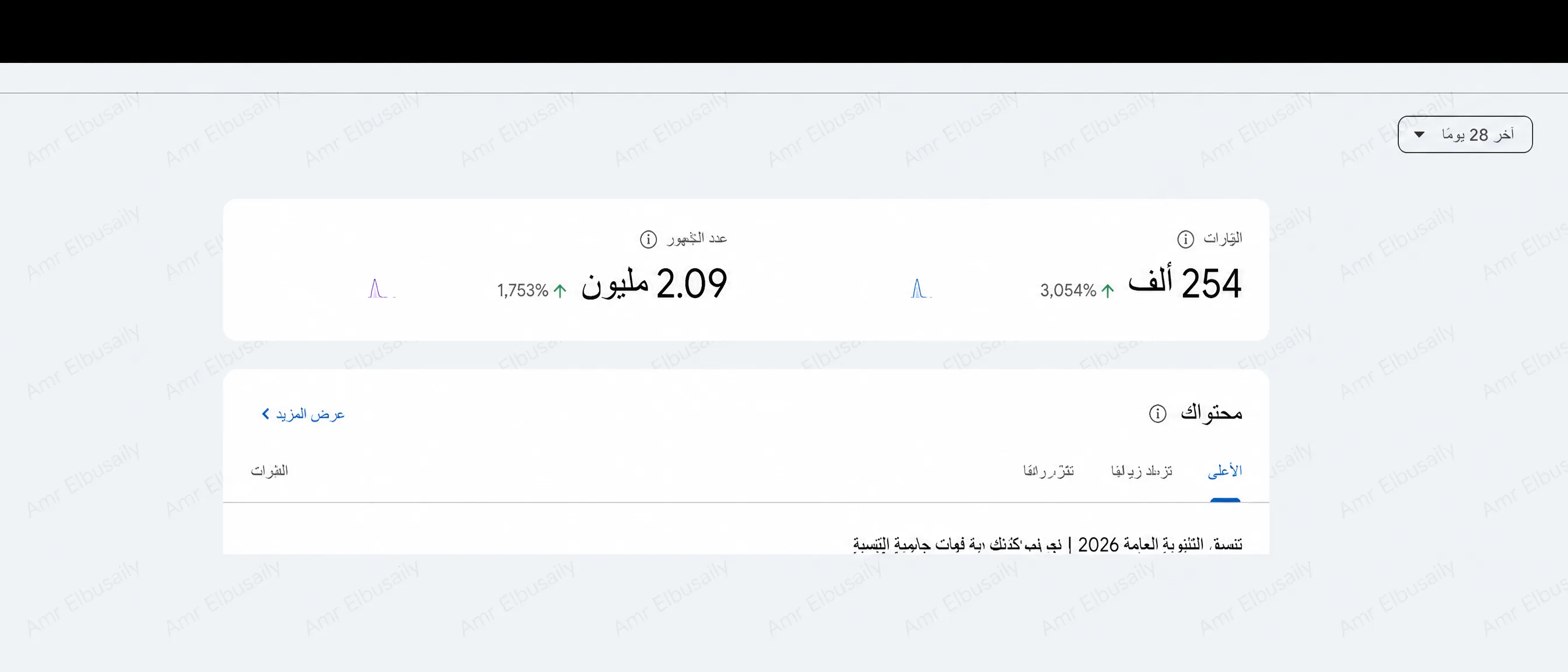
An analytics snapshot supplied for a different property shows 2.09M audience and 254K visits as displayed in the source.
How it works: We use it to show why visits, impressions, clicks and conversions must remain separate, with property, period and platform recorded before drawing a conclusion.
Takeaway: Numbers become useful when they lead to a clear content decision, not when they are used as universal proof for every page.
Figures come from the supplied screenshots, with properties and periods differing. The Amr Elbusaily watermark is visible on the assets; no unnamed client is inferred.
Not necessarily. The goal is an appropriate set of pages serving clear intent, supported by updates and internal links, rather than many similar articles.
Yes. Each version is written for its audience and language, with technical connections when needed. Literal translation is not a substitute for editorial localization.
It can assist research or a first draft, but quality needs a brief, human review, expertise and relevant examples. We do not publish generic text just to increase page count.
We review visibility, clicks and destination pages, then connect them to visit quality, enquiries or conversions when the data exists. Rankings alone do not explain page value.
Share your website, audience and services you want to support. We will identify the topics and pages that deserve priority.