01
Customer language discovery
We start with sales questions, offers, products, objections and buying stages. The language used internally may differ from the language used in search, so we connect the two before selecting targets.
Keyword research is not collecting the largest possible list in a spreadsheet. It is understanding what a searcher means, which page can answer it, and whether the opportunity can lead to a customer or user.
A useful keyword research service produces an implementation map: query or cluster, search intent, market and language, destination page, priority and the content or product work needed to compete. It turns research into service pages, articles and category pages instead of stuffing one page with every phrase.
We start with sales questions, offers, products, objections and buying stages. The language used internally may differ from the language used in search, so we connect the two before selecting targets.
We separate informational, comparison, problem-solving, service, pricing and purchase intent. The same phrase can require an article in one context and a service page in another.
Related queries are grouped into logical topic units and mapped to a sensible URL. This reduces cannibalization and prevents publishing several articles that answer the same question.
We review the page types, depth, questions and weaknesses present in the search results. We do not copy competitors or treat volume as the only decision signal.
Priorities reflect customer value, intent, competition, effort and delivery dependencies. A large query with no path to conversion may be less valuable than a smaller query close to a commercial action.
For bilingual projects, we check whether the topic exists in both languages and what needs localization. Swapping a country name or translating literally is not an international strategy.
We define the offer, audience, markets, language, conversion model and existing pages so the map stays connected to the business.
We gather variations, questions and related terms, separating close variants from queries with different intent. Search results are reviewed instead of relying on an automated list alone.
Each group receives a destination, content type, working title, internal links, priority and FAQ questions. Queries that do not need a new page remain in a useful cluster.
We decide what to launch first, what needs development or data, then monitor visibility, clicks, visit quality and commercial signals as the map evolves.
It helps when you have content without direction, pages with unclear targets, a new market, a bilingual expansion or a content team that needs a useful brief before production.
We explain why a topic or query was selected, which page should own it and what implementation needs to happen. More URLs are not confused with a useful site asset.
These snapshots and examples show how the work is reasoned about. Some snapshots belong to different properties and periods, so no number is attributed to Keyword Research or Content SEO alone or used as a universal promise.
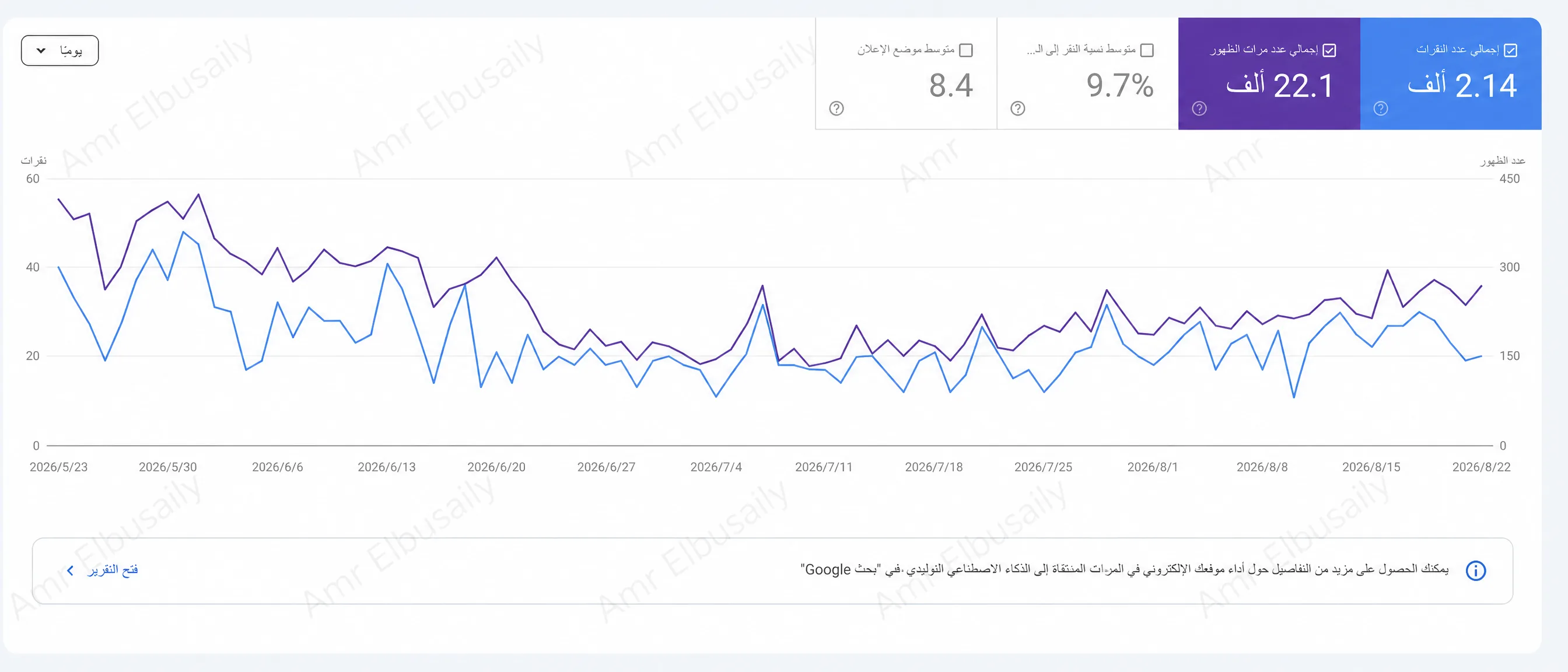
A Search Console snapshot supplied among results from different properties shows 22.1K impressions, 2.14K clicks, 9.7% CTR and an 8.4 average position.
How it works: The practical lesson is not to read one number alone: connect each query to a page and intent, then decide whether the group needs a better title, content or internal links.
Takeaway: The useful outcome is a repeatable way to turn search data into a page decision—not a promise that every keyword project produces the same number.
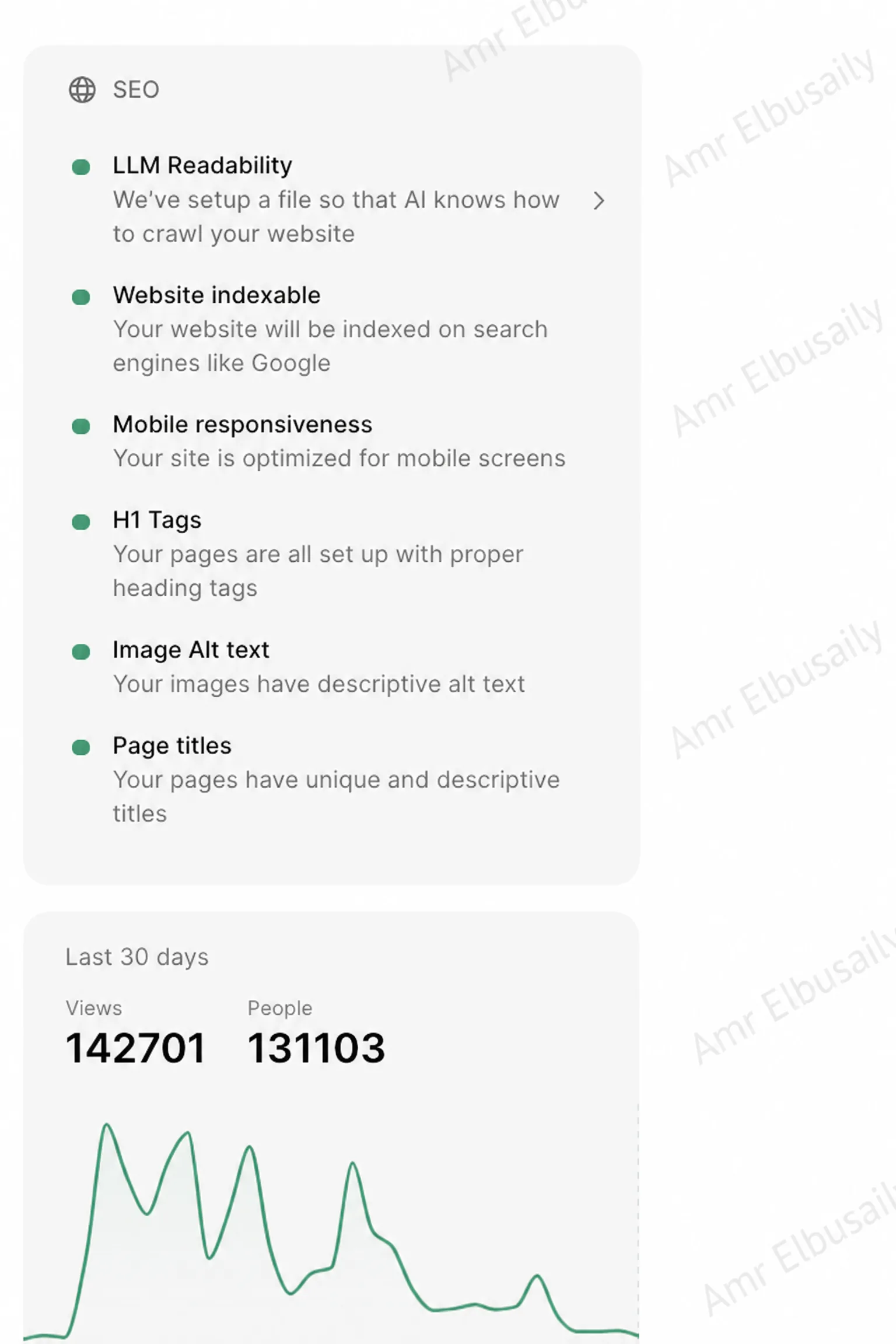
A practical service-business example separates problem queries from service and comparison queries instead of sending every visitor to the homepage.
How it works: We cluster queries, assign one destination page to each group, and add customer questions and internal links before writing. The result is a clear brief and less cannibalization.
Takeaway: A map succeeds through the quality of the pages and demand they support, not the number of phrases in a spreadsheet.
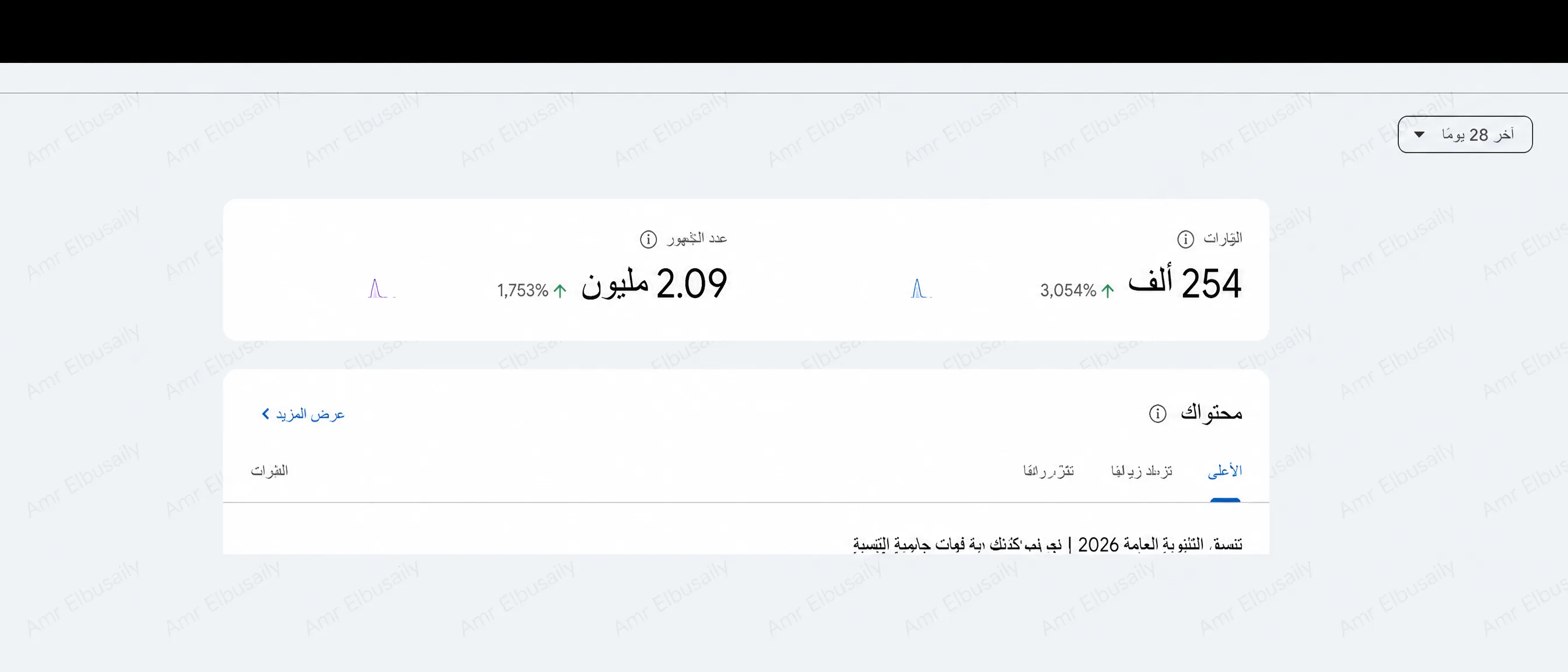
An analytics snapshot supplied for a different property shows 2.09M audience and 254K visits as displayed in the source.
How it works: In keyword work, we record the property, platform and period, then identify which queries and pages contributed instead of attributing the number to the service alone.
Takeaway: Context keeps a case study honest and makes the learning transferable.
Figures come from the supplied screenshots, with properties and periods differing. The Amr Elbusaily watermark is visible on the assets; no unnamed client is inferred.
No. The value is connecting queries to intent, pages, priorities, FAQs and internal links so content and development teams can act on the research.
Not always. We compare intent, customer value, competition and the site’s ability to deliver. A lower-volume query can be more useful when it is close to a service or purchase decision.
Yes when needed. We review demand in each language and decide what needs translation versus localized treatment, then keep the experiences connected without mixing them.
There is no useful number without the site and objective. A strong map may contain hundreds of phrases, but they are organized into executable page groups rather than a large list with no decisions.
Share your website, growth goal and target market. We will identify whether keyword research, an audit or page optimization is the right starting point.